

The Royal Opera House (ROH) in London’s Covent Garden stands as one of the world’s most prestigious stages for the performing arts. Home to The Royal Opera and The Royal Ballet, this architectural masterpiece has seen performances by the greatest voices and dancers in history. However, for many, the process of securing tickets to this temple of culture can seem intimidating or prohibitively expensive.
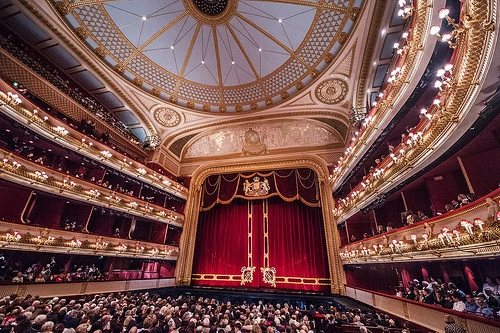
In 2026, the Royal Opera House has embraced a digital-first approach to accessibility, making it easier than ever for a global audience to experience high art. Whether you are a seasoned aficionado or a curious first-timer, understanding how to navigate the ticketing system is essential for a successful visit. This guide provides a professional overview of how to secure your seat at the ROH, from the grand tiers to the most affordable hidden gems.
Understanding the Booking Calendar and Seasons
The Royal Opera House does not operate on a simple year-round schedule for all tickets. Instead, the year is divided into seasons: Autumn, Winter, Spring, and Summer. Each season’s schedule is typically announced several months in advance.
To get the best seats at the most reasonable prices, you must be aware of the “On Sale” dates. For the general public, booking dates are usually staggered. Friends of Covent Garden—those who pay an annual membership fee—receive priority booking, often several weeks before the public. If you are planning a trip to London specifically for a performance of a blockbuster production like “The Nutcracker” or “La Traviata,” checking the official ROH website for these specific release dates is your first and most important step.
A Seat for Every Budget: The Pricing Spectrum
One of the greatest misconceptions about the Royal Opera House is that tickets are only for the wealthy. While the most luxurious seats in the Grand Tier can cost several hundred pounds, the ROH is committed to inclusivity.
The Premium Experience
For those seeking the ultimate night out, the Orchestra Stalls and the Grand Tier offer unparalleled views and acoustics. Sitting in these sections allows you to witness the intricate details of the costumes and the subtle expressions of the performers. These tickets often include access to exclusive bars and lounges during the interval, providing a quintessential London high-society experience.
The Balcony and Amphitheatre
If you are looking for value without sacrificing the experience, the Amphitheatre is a favorite among regular opera-goers. Located high above the stage, the acoustics in this section are often considered the best in the house, as sound rises beautifully to the rafters. While you are further from the action, the perspective of the full choreography in a ballet is often superior from this height.
Standing Tickets and Restricted Views
For the truly budget-conscious traveler, the ROH offers standing tickets. These are often located at the back of the stalls or the balcony and can sometimes be purchased for as little as £10 to £20. Additionally, “restricted view” seats are available; these may have a pillar partially obstructing the view, but they allow you to experience the world-class music and atmosphere for a fraction of the standard cost.
Digital Innovation: Rush Tickets and Online Access
In 2026, the Royal Opera House has perfected its “Friday Rush” program. Every Friday at 1pm, a selection of tickets for performances taking place the following week are released at significantly discounted prices. This is an excellent opportunity for spontaneous travelers or locals to snag premium seats that may have gone unsold or were held back by the box office.
Furthermore, for those who cannot make it to Covent Garden in person, the ROH offers “Stream” tickets. Through their digital platform, you can purchase a virtual ticket to watch a live-streamed performance or an on-demand recording. This digital shift has ensured that the “tickets” to the Royal Opera House are now available to anyone with an internet connection, democratizing access to high-caliber opera and ballet.
Practical Tips for Your Visit
Securing the ticket is only half the journey. To ensure your evening is as seamless as the performance on stage, keep these logistical tips in mind:
- The Dress Code: Contrary to popular belief, there is no formal dress code at the Royal Opera House. While many people choose to dress up for the occasion, you will see everything from evening gowns to smart-casual attire.
- Arrival Time: Aim to arrive at least 30 to 45 minutes before the curtain rises. This allows you time to pass through security, check your coat, and perhaps enjoy a drink in the Paul Hamlyn Hall—a stunning glass-roofed atrium.
- Latecomers Policy: The Royal Opera House has a strict policy regarding latecomers. If you arrive after the performance has started, you may not be allowed into the auditorium until the interval. Most productions have monitors in the bars so you can watch the performance while you wait.
- Digital Tickets: In 2026, paperless is the standard. Most tickets are sent via email as QR codes. Ensure your phone is charged, or download the ticket to your digital wallet for easy scanning at the door.
Conclusion
A ticket to the Royal Opera House is more than just a pass to a show; it is an invitation into a world of artistic excellence and historical grandeur. By understanding the nuances of the booking system—from the priority access of memberships to the adrenaline of the Friday Rush—you can find a way to experience this cultural landmark regardless of your budget. The Royal Opera House remains a testament to the power of live performance, and securing your seat is the first step toward an unforgettable London evening.